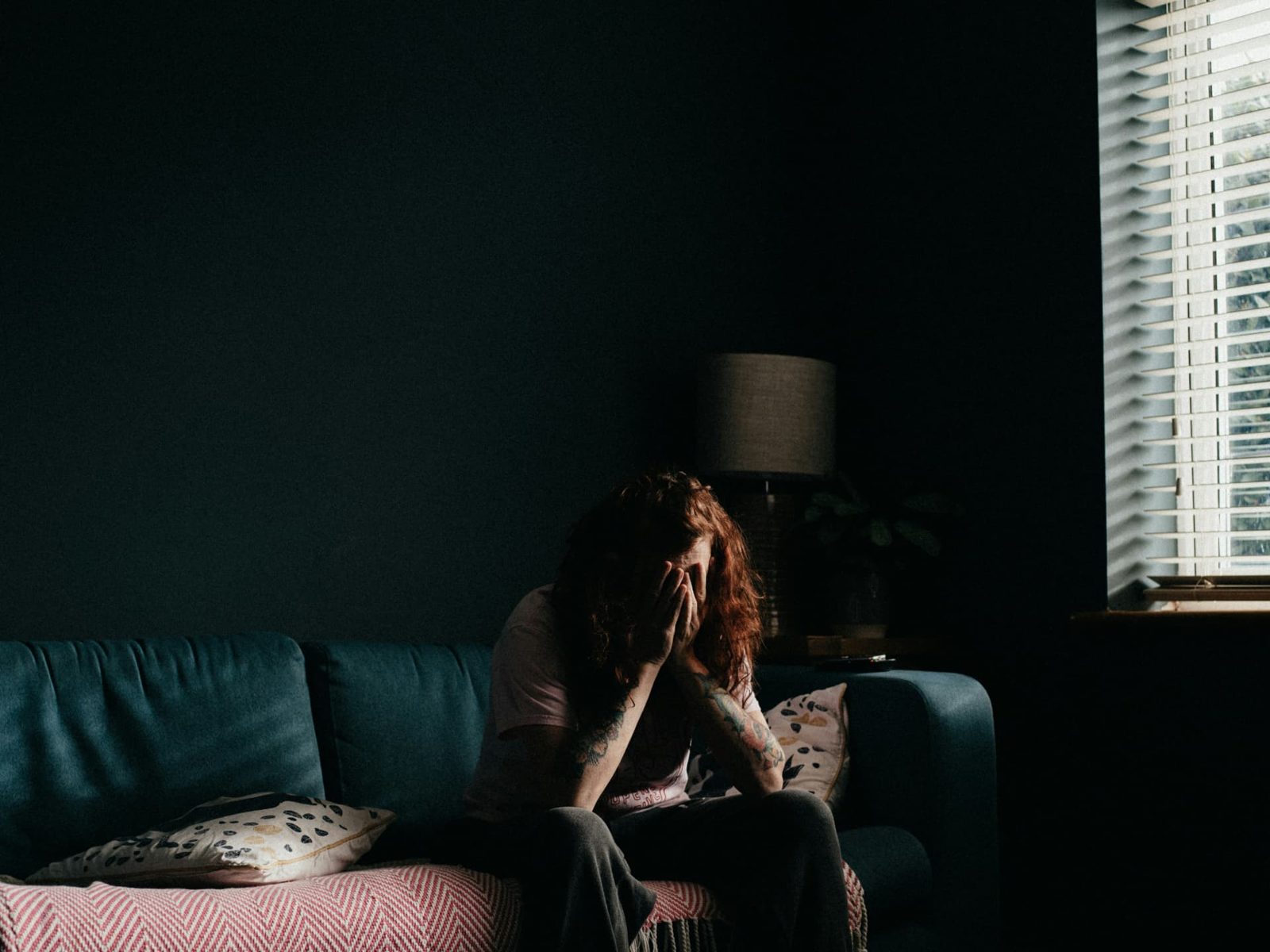
It’s 11:47pm and you’re still scrolling, because the second you put the phone down your brain starts a meeting nobody scheduled. You finally drift off, and then it’s 2:58am and you’re wide awake for no reason at all. You’ve tried the melatonin gummies. The magnesium. The fancy pillow. The sleep tracker that cheerfully informs you that you got 41 minutes of deep sleep. (Thanks for that.)
So when someone mentions that their sleep got better after they started seeing a chiropractor, it’s fair to be a little skeptical. Can chiropractic adjustments help with sleep problems? For a lot of people, yes, especially when poor sleep is being driven by pain, tension, or a nervous system that won’t come off high alert. It’s not a sedative and it’s not a magic switch, but it can address some of the reasons your body won’t settle in the first place.
Let’s talk about why that is, what chiropractic can and can’t do for sleep, and what you can start doing tonight.
Why You Can’t Sleep Even When You’re Exhausted
If you’ve ever been bone tired and still unable to fall asleep, you already know sleep isn’t just about being tired enough. Sleep is a nervous system state. Your body has to feel safe enough to power down.
Deep, restorative sleep happens when the parasympathetic side of your nervous system (rest and digest) is in charge. When the sympathetic side (fight or flight) keeps its foot on the gas, your body stays on watch all night. That’s when you get the classic wired-and-tired feeling. Your energy’s gone, but your system is still scanning for threats, so it won’t let you all the way under.
A stuck stress response can also scramble your cortisol rhythm. Ideally cortisol peaks in the morning to wake you up and drops at night so you can rest. When stress runs the show for too long, that rhythm can flip, which is how you end up dragging at 9am and buzzing at 10pm.
Did You Know? The CDC estimates that roughly 1 in 3 U.S. adults regularly gets less than the recommended 7 hours of sleep. If you’re struggling, you’re far from alone, and you’re definitely not just bad at sleeping.
Why Sleep Is the First Domino
Sleep doesn’t just decide how you feel tomorrow morning. It sets the tone for almost everything else your body does. Deep sleep is when your muscles repair, your immune system does a lot of its best work, and your brain clears out the mental clutter of the day. When sleep slips, everything downstream slips with it.
You’ve probably felt this already. A few short nights in a row and suddenly you’re foggier at work, hungrier for sugar, shorter with the people you love, and somehow sore after a ride that never used to bother you. If you’re someone who spends weekends on the trails or at Snowbowl, poor sleep is often the hidden reason your recovery has slowed way down.
That’s why I think of sleep as a priority, not a bonus. When it improves, a lot of other things tend to follow.
The 4 Sleep Saboteurs Chiropractic Can Actually Influence
Chiropractic doesn’t knock you out. What it can do is address several of the things that keep your body from settling. Here are the 4 I see most often.
1. Pain and Discomfort
This is the obvious one. If your neck aches no matter how you position your pillow, or your low back flares every time you roll over, your body keeps pulling you out of deep sleep to deal with it. Even pain that doesn’t fully wake you can keep your sleep shallow. When your spine and joints move better, there’s simply less to wake up for.
2. Muscles That Never Clock Out
A lot of people carry their day in their bodies. Tight shoulders, a clenched jaw, a neck that feels like a guitar string. When your nervous system is on alert, your muscles stay braced, even when you’re lying still. Adjustments help reduce that interference so your body gets the message that it’s allowed to let go.
3. A Nervous System Stuck on High Alert
This is the one people don’t expect. Your spine protects your spinal cord, the main communication highway between your brain and body. When spinal joints aren’t moving the way they’re designed to (we call that subluxation), it creates interference on that highway and can keep your body reading the world as more stressful than it is. Clearing that interference helps your nervous system shift more easily into rest and digest, which is exactly where good sleep lives.
4. Posture That Follows You to Bed
If you spend 9 hours a day with your head drifting toward your laptop, that pattern doesn’t disappear at bedtime. Forward head posture and tight chest muscles can make it harder to get comfortable and can even affect how freely you breathe while you sleep. Better spinal motion makes it easier for your body to find, and hold, a position that actually feels restful.
What Chiropractic Can’t Do for Your Sleep
Honesty matters here, because nobody needs another overpromise. Chiropractic care won’t:
- Cancel out a 4pm cold brew or a glass of wine right before bed
- Override 2 hours of scrolling under bright screens
- Replace medical care for sleep apnea. Loud snoring, gasping, or waking up choking all deserve a conversation with your doctor
- Make a newborn sleep through the night (I wish)
What it can do is give your body more capacity to settle, so the good habits you’re already building actually have room to work.
Quick Reference: What’s Behind Your Sleep Problem?
Most sleep struggles fall into a few patterns. See which one sounds most like you.
| Sleep Problem | Possible Nervous System Link | Where to Start |
|---|---|---|
| Can’t fall asleep | Stress response still running at bedtime | Wind-down routine, longer exhales |
| Waking at 2 or 3am | Cortisol rhythm out of sync | Morning light, steadier blood sugar |
| Waking up sore or stiff | Pain, bracing muscles, poor positioning | Adjustments, better sleep positions |
| Sleeping 8 hours, still exhausted | Too little time in deep, restorative sleep | Nervous system support, consistent schedule |
| Restless, tossing and turning | Body can’t find a comfortable, safe state | Adjustments, pillow setup, cooler room |
| Snoring or gasping | Possible airway issue | See your doctor first |
Sleep and Your Hormones
For women especially, sleep and hormones are tangled together. Stress hormones, reproductive hormones, and your sleep cycle all talk to each other constantly. That’s why sleep often gets worse in the days before your period, during pregnancy and postpartum, and through perimenopause.
When your nervous system is overloaded, your body tends to prioritize the stress response over everything else, including the hormonal balance that supports good sleep. That’s a big reason I look at sleep as a whole-body question, not a pillow problem. If you’re also dealing with painful cycles, mood swings, or energy crashes, they’re often part of the same story.
What to Expect at a Nervous System-Centered Exam
If you’ve only ever had the “point to where it hurts” kind of appointment, a nervous system-centered exam will feel different. At Primal Practice, it starts with the Health Breakthrough Evaluation, a full hour that includes:
- Your full history. Sleep, stress, injuries, digestion, hormones, and anything else that feels relevant (it usually all is).
- INSiGHT scans. Radiation-free scans that look at heart rate variability (HRV), muscle tension patterns, and how your nervous system is adapting to stress.
- A thorough exam. Posture, range of motion, and a neurological and spinal exam.
- Your report of findings. Usually the next day, we sit down together, walk through your scans, connect the dots, and lay out exactly what care would look like.
HRV in particular tells us a lot about sleep. It reflects how easily your nervous system moves between gas and brake, and low HRV often goes hand in hand with restless, unrefreshing sleep.
Insider Tip from Dr. Liz: Sleep is often 1 of the first things people notice changing once they start care, sometimes before the pain they came in for. Keep a quick note on your phone of how you’re sleeping each week. Progress is easy to forget when you’re living it.
How to Set Your Body Up for Sleep Tonight
These are simple, and they work best when you stack a few together. Pick 2 or 3 and start tonight:
- Get morning light. 10 minutes outside within an hour of waking helps set your sleep rhythm for that night. Yes, even when it’s 15 degrees in Missoula.
- Cut caffeine by noon. Caffeine hangs around in your system for hours longer than you’d think.
- Eat a real dinner. Going to bed hungry, or riding a sugar crash, can trigger the stress response that wakes you at 3am.
- Dim the lights 90 minutes before bed. It tells your brain the day’s winding down.
- Do 5 minutes of long exhale breathing. In for 4, out for 6 to 8. It taps the brake pedal on your nervous system.
- Keep your room cool and dark. Most people sleep best somewhere in the mid to upper 60s.
- Phone out of the bedroom. If it’s your alarm, a cheap alarm clock is a great investment.
The Best Sleep Positions for Your Spine
Since I’m a chiropractor, you knew this was coming:
- Side sleeping: Great for most people. Put a pillow between your knees to keep your hips and low back level, and make sure your pillow fills the space between your ear and shoulder.
- Back sleeping: Also great. A pillow under your knees takes pressure off your low back, and a thinner pillow under your head keeps your neck from cranking forward.
- Stomach sleeping: The one I’d gently steer you away from. It keeps your neck rotated for hours, which is a lot to ask of it night after night.
Did You Know? Your pillow should support your neck, not prop up your head. If you wake up with a stiff neck or tingly arms, your pillow height is often the first thing worth checking.
Quick Answers to Common Sleep Questions
How soon might I notice better sleep after starting chiropractic care?
It varies. Some people notice a difference within the first few weeks, while others take longer, especially if poor sleep has been going on for years. Your nervous system builds capacity over time, the same way your body builds strength at the gym.
Is it normal to feel sleepy after an adjustment?
Yes, and it’s actually pretty common. When your body shifts out of fight or flight, it often realizes just how tired it’s been. Some people also feel a burst of energy instead. Both are normal.
Should I stop taking my sleep supplements?
Don’t change anything your doctor has recommended without talking to them first. Many people simply find they lean on those supports less over time as their sleep improves.
Can I get adjusted if I have sleep apnea?
Chiropractic care isn’t a substitute for sleep apnea care, so make sure that’s being managed by your doctor. Adjustments can still support the rest of your body alongside it.
When It’s Time to Get Some Support
If you’ve been doing all the sleep hygiene things and you’re still lying awake, it doesn’t mean you’re doing it wrong. It usually means your nervous system needs more capacity before those habits can really take hold. That’s the part we help with. I like to think of your nervous system as a vessel built to hold life. When stress keeps pouring in faster than your body can process it, the vessel overflows, and restless nights are 1 of the most common ways that overflow shows up. Care helps build a bigger vessel, so the same busy week doesn’t cost you your sleep.
If you’re in Missoula and you’re tired of being tired, we’d love to help you figure out what’s going on. You can book your Health Breakthrough Evaluation online at primalpracticemt.com or call or text us at 406-549-8969. We’re at 2200 Holborn St.
Good sleep isn’t a luxury. It’s what your body needs to heal, recover, and show up for the life you want to live. And your body already knows how to do it. Sometimes it just needs the interference cleared out of the way.
Peace, Love and Happiness,
Dr. Liz